
RYA Powerboat to Yachtmaster Preparation Training Courses - South Coast UK
“Been involved with the maritime industry for over 30 years and attended several sea survival courses. BY FAR this was the best in explanation & running. WELL DONE!! “Philip
" Great set up. Richard and his team really know their stuff. Highly recommend " - Tony
 Welcome to PHSS now in our 23rd year of operation and we have trained a wide and varied range of people and companies locally, UK, the Med, Middle East and Uganda. We are proud of the high quality of instruction and the instructors we use. Their experience and skills sets us apart from many. If it is quality maritime training you need, PHSS can help. Increase your knowledge, confidence and enjoyment on the water, whether it is for professional commercial reasons or as a leisure user. The MCA RYA courses are available as a package or individually and we can offer customised training to meet your own or company needs. All of the qualifications are highly beneficial to any seafarer whatever your experience and could one day save your own life, your family’s or one of your crew members. The combination of classroom and practical sessions make learning an enjoyable and valuable experience, for your 'complete survival.' For detailed course information please click on any of the course' links below or contact us to discuss your training needs.
Noteworthy - PHSS is no longer a STCW training provider and does not run any STCW training. Please look for providers in the Solent area.
RYA Training Centre delivering the following:
About PH Sea Survival - Click to expand and collapse
 Poole Harbour Sea Survival (PHSS) is now in its 23rd year of operation. PHSS is a Royal Yachting Association (RYA) accredited Training Centre to run RYA courses. We also tailor bespoke boating training and packages to suit individuals, families, groups and commercial companies. We have delivered training for the BBC, Police forces, Kuwait Coastal Protection Force, Oman Fire Fighters, Poole Harbour Master, Uganda Conservation Foundation Marine Rangers and thousands of pleasure leisure boaters.
PHSS’s Principal Instructor is Richard Morley. Richard has over 33 years boating experience from around the world on many different types of vessel. He is a yachtmaster instructor and has many shorebased instructor qualifications. Richard also instructs at other schools and businesses in the UK and abroad. PHSS’s recent training highlights include training HM Border Force personnel, French Pilot service, Fastnet Crews and deliveries to Italy and Scandinavia. Click here to view our varied list of clients. Richard is a RNLI volunteer with the Sea Safety Team following previous full time employment with the RNLI and formally with the Royal Marines as a Specialist Boat Operator.
Courses and instructors - Click to expand and collapse
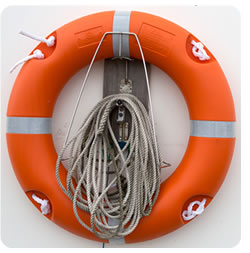 All of our courses are delivered by a small team of highly experienced and qualified professional instructors.
We pride ourselves on our passion and commitment to bring you quality courses that meet your needs.
The high standards we set are aimed at making your boating adventures as safe and enjoyable as possible. You may want to read our customer feedback page.

For Additional Information
Please Tel: +44 (0) 1202 690505
Email: phss.office@btinternet.com